
Home›Driveaway vs. Traditional Trucking
Driveaway vs. Traditional Trucking
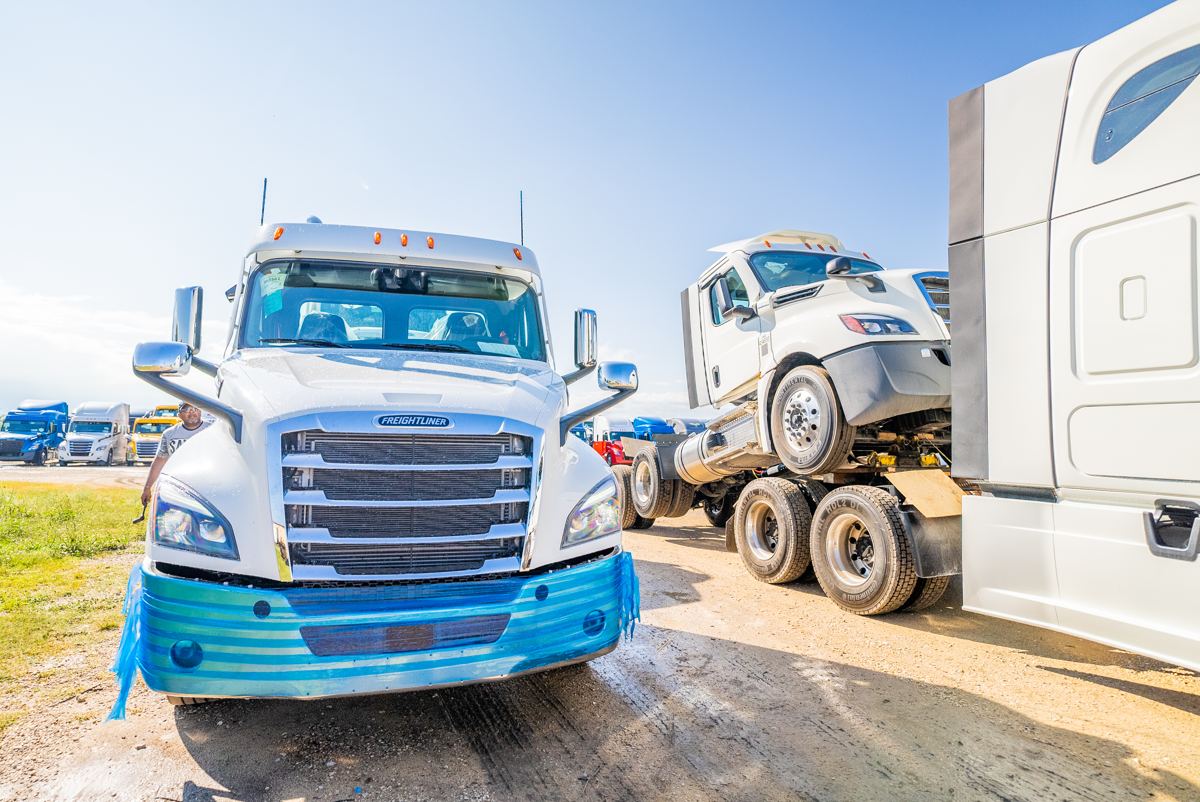
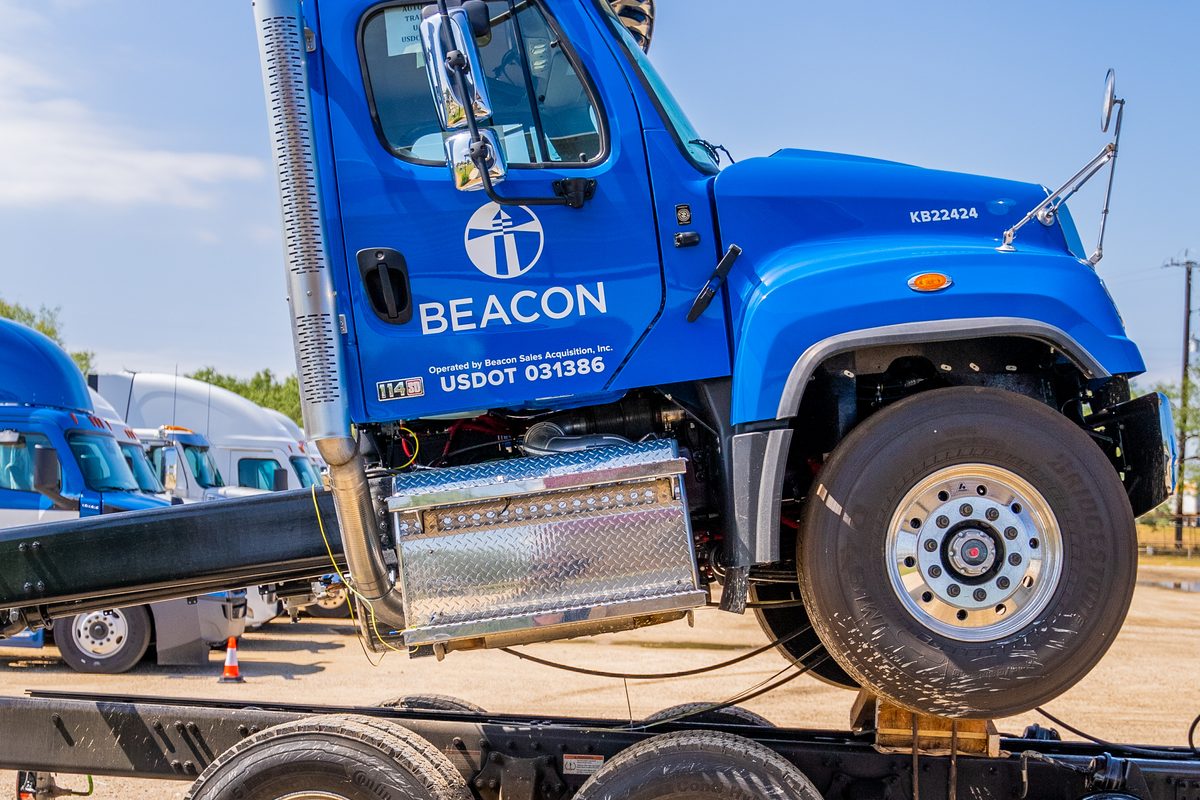
The biggest difference in driveaway vs traditional trucking is what you move. Traditional truckers haul freight in a trailer. Driveaway drivers deliver the truck itself, so there’s no loading, unloading, or waiting at docks. In exchange, driveaway drivers travel to their next pickup or home after every delivery.
Driveaway vs Traditional Trucking, Side by Side
Freight |
Traditional: You haul someone else’s cargo in a trailer and you’re responsible for it. |
Driveaway: The truck is the freight. Learn more about what driveaway trucking is. |
|---|---|---|
Equipment |
Traditional: Usually the same assigned tractor. |
Driveaway: A different vehicle almost every trip, from new tractors to buses to fire trucks. See the types of driveaway. |
Dispatch and Schedule |
Traditional: Many company drivers are dispatched on assigned loads and lanes. |
Driveaway: At Norton, there’s no forced dispatch. You request the loads you want, when you want them, and you can see the country or stay closer to home. |
Getting Home |
Traditional: The truck usually comes home with you or goes back to a terminal. |
Driveaway: You leave the truck at delivery and travel home or to the next load. Norton has a dedicated in-house travel department that books your flights and rentals to your next load or home, helping you save money along the way. You plan the loads yourself, using Norton’s online tools and your dispatcher. Read how driveaway drivers get home. |
Pay |
Traditional: Often per mile, hourly, or a percentage of the load. |
Driveaway: Norton pays by the mile, with pay per mile that’s the best in the industry, bonuses and incentives, and same-day pay available. More in driveaway driver pay. |
Employment Type |
Traditional: Many drivers are W-2 company employees. |
Driveaway: Many driveaway drivers, including Norton drivers, work as independent contractors. That means more control, and taxes generally aren’t withheld from your pay, so consult a tax professional and keep your receipts. |
Logging |
Traditional: Most drivers run on ELDs. |
Driveaway: Norton drivers use the Motive app to maintain logs in real time. Hours-of-service rules still apply. |
Select the side that sounds more like you in each row.
What Drivers Like About Driveaway
- No docks, lumpers, or forklift waits
- Variety in vehicles and routes
- More control over the week
- Room to grow into deck, boom, or specialty work
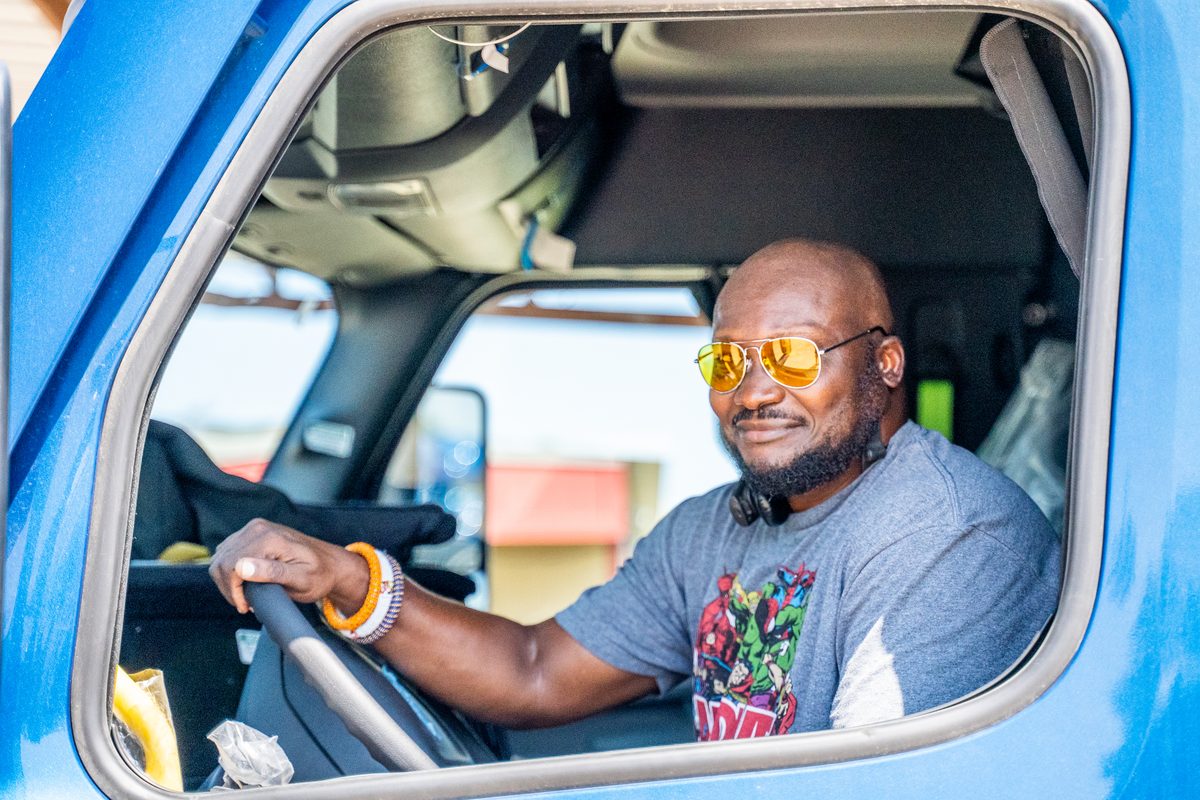
“I felt like I was trapped inside the semi. Like closed in, caged in. When you’re driving like driveaway, like you’re not caged in.”
What Takes Getting Used To
- Traveling between loads after every delivery
- Driving unfamiliar vehicles
- Income that depends on how much you run
- Managing your own expenses as a contractor
Who Should Make the Switch?
Based on your selections above
If you’ve got solid experience and you’re tired of waiting at docks or running the same lanes, driveaway is worth a hard look. If you want a fixed schedule and a truck that’s always yours, traditional trucking may suit you better. Either way, it’s your call to make with clear eyes.
One thing doesn’t change in driveaway vs traditional trucking: both follow the same federal FMCSA hours-of-service rules.
Frequently Asked Questions
Is driveaway better than traditional trucking?
It depends on what you want. Driveaway offers more variety and no freight handling, while traditional trucking offers a more predictable routine and usually keeps you in the same truck.
Can a traditional truck driver switch to driveaway?
Yes. Many driveaway drivers came from traditional trucking. Experienced commercial drivers already have the core skills and mainly need to learn inspections, paperwork, and load planning for driveaway. When you join the Norton team, you’re initially placed with a dedicated onboarding dispatcher who will help coach you on the Norton way.
Do driveaway drivers handle freight?
No. In driveaway, the vehicle you’re driving is the shipment, so there’s no cargo to load, unload, or secure.
Is driveaway trucking more flexible?
For many drivers, yes. Norton has no forced dispatch, so drivers request the loads they want, when they want them.
What’s the biggest adjustment when switching to driveaway?
Getting to the next load. Because you leave the truck at delivery, travel between loads is part of the job. You plan your loads with Norton’s online tools and your dispatcher, and Norton’s in-house travel department books the flights and rentals.
Hear From Real Driveaway Drivers
Want the unfiltered version? These Six-Figure Trucker podcast episodes feature drivers who do this work every day:
EP142: Shifting Gears: Veronica Campbell’s Unstoppable Journey from Semi to Driveaway. Veronica Campbell on shifting gears from semi driving to driveaway.
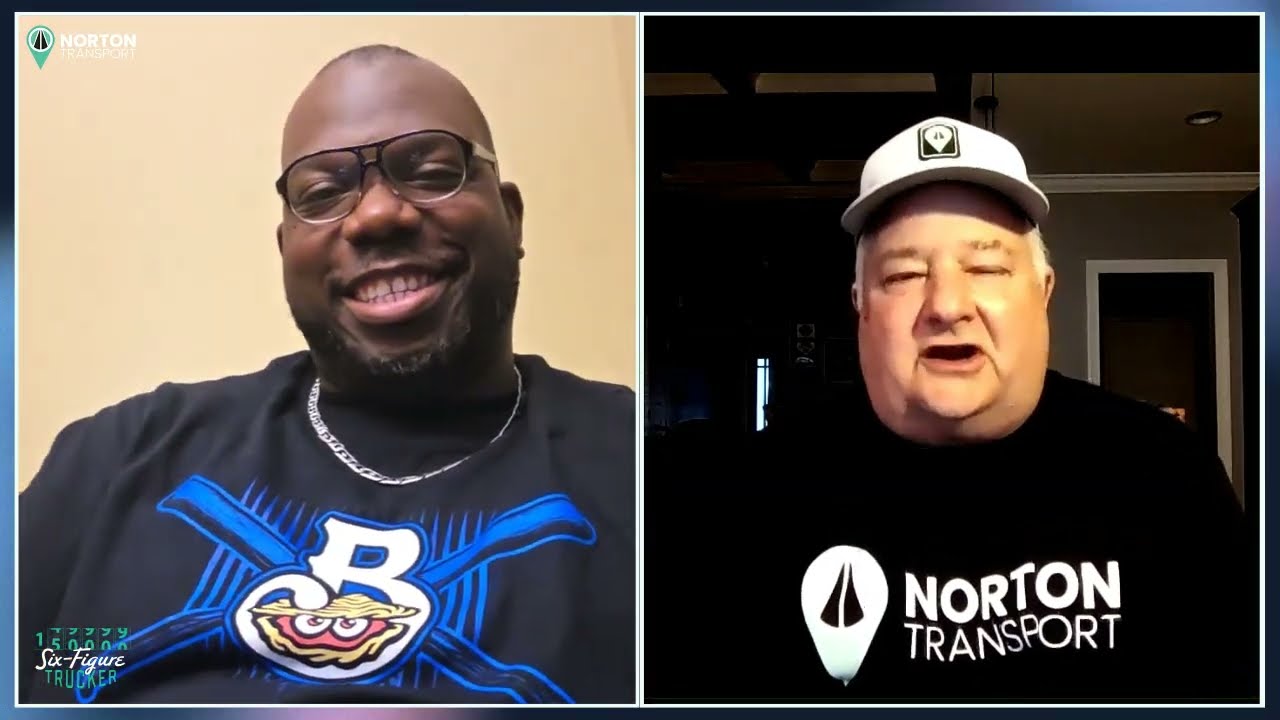
EP179: From Owner-Operator to Driveaway Trucking Pro with Earnest Walker. Earnest Walker on going from owner-operator to driveaway pro.
EP92: Behind the Wheel with Jarrieal Scott: Secrets of a Driveaway Pro. Jarrieal Scott shares the secrets of a driveaway pro, including leaving loading docks behind.
Weighing driveaway vs traditional trucking? Talk with drivers who made the switch on the podcast, then apply to drive with Norton Transport. Prefer to talk first? Email onboarding@nortontransport.com or call (423) 617-0218.